

Keeping a home clean can be surprisingly challenging when fine dust, pet hair, crumbs, and everyday debris accumulate across different floor surfaces. Traditional cleaning methods may struggle to capture fine particles efficiently, while poorly maintained vacuum cleaners can lose suction or require frequent filter cleaning. A cyclone vacuum cleaner offers a practical approach by using centrifugal force to separate dust and debris from the airflow before the air reaches the filtration system.
Understanding how cyclone technology works can help homeowners, retailers, and product buyers make better decisions about cleaning performance, maintenance, filtration, and long-term value. This guide explores the main benefits of cyclone vacuum cleaners, explains what to look for when comparing models, and provides practical advice for maintaining consistent cleaning performance.
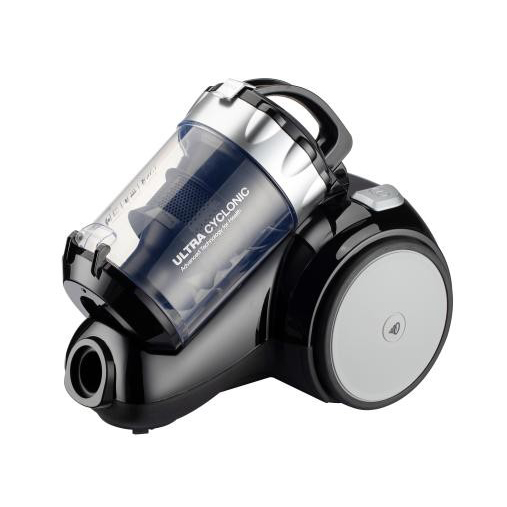
1. What Is a Cyclone Vacuum Cleaner?
A cyclone vacuum cleaner is a cleaning appliance that uses a rotating airflow to separate collected dust and debris from the air. Instead of relying entirely on a conventional dust bag to collect particles, the appliance directs incoming air through a specially designed chamber. The resulting circular motion helps move heavier particles toward the chamber walls, where they can fall into a dust container.
Many cyclone vacuum cleaners use a bagless collection system, allowing users to empty a dust cup instead of purchasing replacement bags. Depending on the design, the appliance may incorporate one cyclone or several smaller cyclones to improve particle separation. Additional filters are commonly used to capture particles that remain in the airflow after the cyclone stage.
Cyclone technology is found in different vacuum formats, including upright, canister, cordless stick, and compact household models. Although these appliances share the same general separation principle, their suction performance, dust capacity, battery life, filtration efficiency, and cleaning accessories can vary considerably.
For households that regularly clean floors, furniture, and everyday messes, a well-designed cyclone vacuum cleaner can offer a convenient balance of dust collection, reusable components, and straightforward maintenance.
2. How Cyclone Technology Works
The main principle behind cyclone separation is centrifugal action. When air containing dust enters a cyclone chamber tangentially or follows a curved internal path, it begins to rotate. This motion helps separate particles according to their aerodynamic behavior, size, density, and the design of the chamber.
Step 1: Air and Debris Enter the Vacuum
A motor-driven airflow draws dirt, dust, hair, and small debris through the cleaning head and into the vacuum's internal air path. The design of the floor head and suction inlet influences how effectively debris is lifted from carpets, hard floors, and other surfaces.
Step 2: The Airflow Begins to Rotate
Inside the cyclone chamber, the airflow follows a circular path. Heavier particles tend to move outward toward the chamber walls under the influence of the rotating flow. As their motion slows, many of these particles drop into the dust container.
Step 3: Dust Collects in the Container
Separated debris accumulates in the dust cup or collection chamber. This container can usually be removed or opened for emptying, although the release mechanism and cleaning procedure vary by model.
Step 4: Remaining Particles Pass Through Filters
Cyclone separation is not a complete substitute for filtration. Fine particles can remain suspended in the air and continue through the system. A filter stage captures additional particles before the air exits the appliance. Some models use multiple filtration stages, and selected products incorporate HEPA filtration.
Step 5: Filtered Air Exits the Appliance
After passing through the intended separation and filtration stages, air is discharged from the vacuum. Good sealing and appropriate filter installation help prevent unwanted leakage around the filtration system.
The effectiveness of the complete system depends on the interaction between cyclone geometry, airflow velocity, particle characteristics, filter design, and the condition of the appliance. A full dust container, clogged filter, damaged seal, or blocked hose can interfere with normal airflow and reduce cleaning performance.
3. Key Benefits of a Cyclone Vacuum Cleaner
Consistent Dust Separation
Cyclone separation removes a portion of the collected debris before the air reaches the filter. This can reduce the amount of larger material reaching downstream filters and help the appliance maintain effective airflow when it is properly maintained. Actual performance depends on the cyclone design and the type of debris being collected.
Convenient Bagless Cleaning
Many cyclone vacuum cleaners collect dirt in a reusable dust cup. Users can empty the container when it reaches the recommended fill level without needing to purchase disposable vacuum bags. This arrangement is especially convenient for frequent cleaning, although dust-cup capacity and emptying convenience should be checked before purchasing.
Useful for Everyday Household Debris
Cyclone vacuum cleaners can handle common household messes such as crumbs, dust, loose hair, and small particles. With the right floor head and accessories, a model may also clean upholstery, stairs, furniture, and narrow spaces.
Potentially Lower Consumable Costs
A bagless system can reduce ongoing spending on replacement bags. However, filters may still require periodic washing or replacement, and some models use consumable components that add to ownership costs. Comparing the recommended maintenance schedule helps buyers estimate the long-term expense more realistically.
Flexible Product Designs
Cyclone technology can be integrated into compact cordless vacuums as well as larger corded appliances. Buyers can choose a format that suits room size, storage space, cleaning frequency, and personal preferences rather than being limited to one appliance style.
Easy Visibility of Collected Debris
Transparent or semi-transparent dust containers make it easier to see when the vacuum needs emptying. This simple feature can help prevent overfilling, which may interfere with airflow or make the container more difficult to clean.
4. Where a Cyclone Vacuum Cleaner Works Best
Different households face different cleaning challenges. Choosing the right floor head, suction settings, and accessories is often just as important as choosing the vacuum's core technology.
Hard Floors and Tile
Hard floors collect visible dust, crumbs, hair, and grit. A floor head designed for hard surfaces can lift these materials while reducing the chance of scattering larger particles. Soft rollers or suitable brush designs may be helpful for fine debris, depending on the floor type.
Carpets and Rugs
Carpets can trap hair and particles between their fibers. A vacuum with a suitable motorized brush head can help loosen debris and lift it into the airflow. Users should select the appropriate cleaning setting for carpet thickness and avoid assuming that high suction alone guarantees effective deep cleaning.
Homes with Pets
Pet hair can collect around furniture, along baseboards, and on upholstery. A cyclone vacuum cleaner equipped with a suitable brush attachment or anti-tangle roller may simplify regular cleaning. Hair can still wrap around brush rolls or accumulate around the inlet, so routine inspection remains necessary.
Furniture, Stairs, and Tight Spaces
Crevice tools, upholstery brushes, and compact attachments help reach areas that a standard floor head cannot access. Lightweight cordless stick models can be convenient for stairs and quick cleanups, while a canister model may provide useful flexibility for larger homes.
Small Apartments and Everyday Quick Cleanups
Compact vacuums are useful when storage space is limited or cleaning needs are relatively light. Buyers should consider the size of the dust container, charging time for cordless models, and whether the available accessories can handle all expected cleaning tasks.
| Cleaning Situation | Useful Feature | What to Check |
|---|---|---|
| Hard floors | Soft roller or hard-floor attachment | Particle pickup and protection for delicate flooring |
| Thick carpets | Motorized brush head | Brush performance and suitable suction adjustment |
| Pet hair | Anti-tangle brush or upholstery tool | Hair removal and ease of brush maintenance |
| Stairs and furniture | Lightweight body and compact tools | Weight, maneuverability, and accessory reach |
| Large homes | Long operating time or corded power | Coverage, dust capacity, and cleaning efficiency |
| Allergy-conscious households | Well-sealed filtration system | Verified filter performance and replacement availability |
5. How to Choose the Right Cyclone Vacuum Cleaner
The best cyclone vacuum cleaner is not necessarily the one with the highest advertised wattage or the largest list of features. A better approach is to match the appliance to your cleaning requirements, home layout, maintenance preferences, and budget.
Evaluate Cleaning Performance
Motor input power, airflow, suction pressure, floor-head design, and sealing all influence practical cleaning results. Electrical wattage alone does not indicate how much dirt a vacuum will remove from a particular surface. Where available, review standardized pickup results or clearly defined product performance tests.
Choose Between Corded and Cordless Models
Corded models provide continuous access to electrical power and can be convenient for longer cleaning sessions. Cordless models offer freedom of movement and are useful for quick cleaning, stairs, and locations without convenient outlets.
For cordless appliances, compare the stated runtime with the cleaning mode used to obtain that figure. Maximum-power operation often consumes more battery energy and may significantly shorten runtime.
Check Dust-Cup Capacity
A larger dust cup can reduce how frequently the container needs emptying, especially in homes with pets or substantial floor areas. However, a larger container can increase the appliance's overall size. Consider how often you clean and whether the cup can be removed and emptied without spilling dust.
Understand the Filtration System
Look beyond claims about cyclone separation. Review the complete filtration arrangement, filter maintenance instructions, and the availability of replacement parts. If fine-particle control is a priority, check whether the model specifies a recognized filtration classification and whether the appliance is designed to minimize air leakage around the filters.
Consider Noise and Handling
Noise level, handle comfort, swivel performance, wheel design, and overall weight influence the user experience. If you regularly clean stairs or move the vacuum between floors, a lighter model may be more practical than a larger appliance with additional features.
Review Maintenance and Spare Parts
Check whether filters are washable, how often they should be replaced, whether brush rolls can be removed, and whether spare batteries or accessories are available where relevant. Clear maintenance instructions can make an appliance easier to own over several years.
Assess Build Quality and Warranty
Inspect the construction of the dust container, locking mechanisms, hose connections, wheels, and accessories. A clear warranty policy, accessible service information, and dependable spare-parts support are useful indicators when comparing products for long-term use.
6. Cyclone Vacuum Cleaner Compared with Other Vacuum Types
Cyclone technology describes a method of separating debris from airflow rather than a single body style. Some alternatives use disposable bags, while others combine cyclonic separation with different filters and cleaning formats. Understanding the differences helps buyers focus on practical ownership needs.
| Vacuum Type | Typical Advantage | Potential Drawback | Best Fit |
|---|---|---|---|
| Cyclone bagless vacuum | Reusable dust container and reduced reliance on disposable bags | Dust-cup emptying and filter cleaning are necessary | Regular household cleaning |
| Bagged vacuum | Dust is contained in a replaceable bag that can be removed for disposal | Replacement bags add ongoing costs | Users who prefer less direct contact with collected dust |
| Compact handheld vacuum | Portable and convenient for small messes | Limited capacity and coverage for whole-home cleaning | Cars, furniture, and quick cleanups |
| Robot vacuum | Can automate routine floor cleaning | May struggle with stairs, complex obstacles, and some deep-cleaning tasks | Regular maintenance cleaning on accessible floors |
| Wet-dry vacuum | Designed for compatible wet and dry cleanup tasks | Requires attention to liquid handling and tank maintenance | Suitable workshops, utility areas, and specific cleanup needs |
A cyclone vacuum cleaner can be an excellent everyday option, but the best choice depends on the user's priorities. Someone who values fast spot cleaning may prefer a cordless stick model, while a large household may benefit from a corded appliance with greater capacity. Users who prioritize convenient dust disposal may prefer a well-sealed bagged system.
Regardless of the format, always use an appliance only for the materials and conditions specified by its manufacturer. Ordinary household vacuum cleaners are not automatically suitable for liquids, hot ash, combustible dust, or hazardous materials.
7. Maintenance Tips for Reliable Performance
Even a well-designed cyclone vacuum cleaner can lose performance if its airflow path becomes restricted. A straightforward maintenance routine helps preserve cleaning effectiveness, reduce unnecessary strain on the motor, and extend the useful life of the appliance.
Empty the Dust Container Regularly
Empty the dust cup according to the manufacturer's instructions, preferably before debris reaches the maximum fill line. Overfilling can interfere with separation and airflow, make emptying messier, and increase the amount of dust that accumulates around internal surfaces.
Clean Filters Correctly
Follow the specified cleaning interval for each filter. Only wash filters that are explicitly identified as washable, and allow them to dry completely before reinstalling them. Installing a damp filter can impair airflow and may damage the appliance.
Remove Hair from Brush Rolls
Hair, thread, and fibers can wrap around rotating brushes and interfere with their movement. Disconnect the appliance from power or remove the battery where applicable before inspecting the brush assembly. Use the recommended removal and cleaning procedure.
Inspect Hoses and Air Passages
If suction decreases unexpectedly, check the floor head, hose, wand, and air inlets for obstructions. Remove blockages only as described in the product manual, and avoid using sharp objects that could damage internal surfaces.
Check Seals and Connections
Make sure the dust cup, filter cover, hose, and attachments are fitted correctly. Damaged seals or loose connections can allow air leakage, reducing effective suction at the cleaning head.
Store the Appliance Properly
Keep the vacuum in a dry location, protect it from excessive heat, and avoid wrapping cords in ways that damage them. For cordless models, follow the battery charging and storage guidance supplied with the appliance.
- After cleaning: check the dust cup and remove visible hair or debris.
- Periodically: inspect the brush roll, hose, and air inlets.
- At the specified interval: clean or replace filters as instructed.
- When performance changes: inspect for blockages, poor seals, and damaged components.
8. Common Problems and Practical Solutions
A sudden change in vacuum performance does not always indicate motor failure. Many common problems can be traced to blocked air passages, full dust containers, incorrectly installed filters, or worn accessories.
| Problem | Possible Cause | Practical Action |
|---|---|---|
| Weak suction | Full dust cup, blocked hose, dirty filter, or air leakage | Empty the cup, inspect the airflow path, clean approved filters, and check seals. |
| Dust escaping during use | Incorrectly fitted filter, damaged seal, or full container | Reinstall components correctly and inspect for damage. |
| Unusual noise | Debris in the brush, obstructed airflow, or a loose component | Stop the appliance and inspect the accessible components according to the manual. |
| Brush roll stops rotating | Hair entanglement, obstruction, or a brush-drive issue | Disconnect power, remove debris safely, and check the brush assembly. |
| Vacuum becomes unusually hot | Restricted airflow, prolonged operation, or a mechanical or electrical fault | Switch off the appliance, allow it to cool, and inspect for blockages. |
| Cordless vacuum has short runtime | High-power mode, aging battery, or incomplete charging | Check charging conditions, operating mode, and battery guidance. |
If the appliance repeatedly shuts down, produces a burning smell, shows visible electrical damage, or makes severe mechanical noises, stop using it. Do not open energized electrical components or attempt repairs beyond the manufacturer's recommended user maintenance. Contact an authorized service provider when necessary.
9. A Practical Buying Checklist
Before purchasing a cyclone vacuum cleaner for personal use, retail distribution, or product sourcing, organize the requirements into a short checklist. This makes it easier to compare models objectively instead of focusing only on appearance or headline specifications.
- Cleaning environment: Identify whether the appliance will mainly clean hard floors, carpets, furniture, stairs, or pet hair.
- Product format: Decide whether a corded, cordless, upright, canister, or stick design best suits the intended user.
- Cleaning performance: Review airflow, suction performance, floor-head design, and available performance test data.
- Dust capacity: Check the usable container size and the convenience of emptying it.
- Filtration: Review the filter arrangement, stated filtration performance, sealing, and replacement availability.
- Operating convenience: Compare weight, noise, maneuverability, storage, and accessory design.
- Battery requirements: For cordless models, evaluate realistic runtime, charging time, and battery replacement options.
- Maintenance: Confirm filter-cleaning procedures, brush-roll access, and spare-parts availability.
- Safety: Review electrical ratings, intended-use limitations, and applicable product safety requirements.
- After-sales support: Check warranty terms, service arrangements, and access to product documentation.
For commercial buyers and distributors, additional considerations may include model consistency, packaging requirements, applicable certifications, production lead times, quality-control procedures, and the availability of technical documentation. These details should be confirmed directly with the supplier rather than assumed from general product descriptions.
Asking specific questions before placing an order helps reduce misunderstandings and supports a more informed purchasing decision.
10. Frequently Asked Questions
1. What is the main advantage of a cyclone vacuum cleaner?
Its main advantage is the ability to separate a portion of collected dust and debris from the airflow using centrifugal action. Many models combine this process with a bagless dust container, making everyday debris collection and disposal convenient.
2. Does a cyclone vacuum cleaner need a filter?
Most cyclone vacuum cleaners still require filters to capture particles that remain in the air after cyclone separation. The number and type of filters vary by model. Regular maintenance and correct installation are essential for the filtration system to function as intended.
3. Is a cyclone vacuum cleaner suitable for pet hair?
Yes, many models can collect pet hair from suitable surfaces. For better results, look for an appropriate motorized brush, upholstery attachment, and easy-to-clean brush roll. Actual performance depends on the design and the type of surface being cleaned.
4. Does cyclone technology guarantee stronger suction?
No. Cyclone separation and suction performance are related but different aspects of vacuum design. Motor performance, airflow resistance, filter condition, sealing, and floor-head construction all affect how effectively a vacuum removes dirt.
5. How often should I empty the dust cup?
Empty it whenever debris reaches the recommended fill level or sooner if the appliance's performance declines. Homes with pets or heavy cleaning demands may require more frequent emptying than homes with light everyday use.
6. Can cyclone vacuum cleaner filters be washed?
Some filters are washable, while others must be replaced rather than rinsed. Check the manufacturer's instructions for each filter type. Washable filters must be completely dry before being reinstalled.
7. Is a cyclone vacuum cleaner suitable for allergy-conscious households?
It may be suitable if the complete appliance has an effective, well-sealed filtration system. Buyers should review verified filtration specifications, filter replacement requirements, and the dust-release behavior during container emptying. Cyclone separation alone does not guarantee allergen removal.
8. Why has my cyclone vacuum cleaner lost suction?
Common causes include a full dust cup, clogged filters, a blocked hose, hair wrapped around the brush, or damaged seals. Switch off the appliance and check these components according to the user manual before considering professional service.
9. Is a cordless cyclone vacuum better than a corded model?
Neither format is universally better. Cordless models offer greater mobility and convenience, while corded models provide continuous power during longer cleaning sessions. The right choice depends on home size, cleaning frequency, runtime requirements, and personal preference.
10. What should distributors check before sourcing cyclone vacuum cleaners?
Distributors should review technical specifications, intended applications, applicable safety requirements, product documentation, packaging, quality-control procedures, warranty terms, spare-parts support, and delivery arrangements. Confirm the exact requirements and available evidence with the supplier before committing to an order.
11. Can a cyclone vacuum cleaner pick up liquids?
An ordinary dry household cyclone vacuum cleaner should not be used to collect liquids unless its manufacturer explicitly identifies it as suitable for that purpose. Use an appropriately designed wet-dry appliance for compatible liquid-cleaning tasks.
12. How can I extend the life of my cyclone vacuum cleaner?
Empty the dust cup regularly, clean or replace filters according to the instructions, remove hair from brush rolls, clear blockages safely, and store the appliance properly. Promptly addressing unusual noise, overheating, or repeated loss of suction can also help prevent further damage.
Conclusion: Make Everyday Cleaning More Convenient
A cyclone vacuum cleaner offers a practical way to separate collected debris from the airflow while supporting convenient dust collection and everyday home maintenance. Its bagless design, range of available formats, and compatibility with different cleaning accessories make it a useful option for many households.
However, the best cleaning experience depends on choosing the right model rather than relying on a single specification. Consider the surfaces you clean, the filtration system, dust capacity, suction performance, handling, maintenance requirements, and availability of replacement components. Regular care is equally important for maintaining reliable operation over time.
Whether you are a household buyer looking for a practical cleaning appliance or a business evaluating products for distribution, a clear understanding of cyclone technology will help you compare available options and make a better-informed decision.
Looking for a Cyclone Vacuum Cleaner for Your Product Range?
Ningbo Yah Technology Co., Ltd. focuses on household appliance products and related solutions. For buyers exploring cyclone vacuum cleaner options, understanding product specifications, intended applications, filtration arrangements, accessories, and maintenance requirements is an important starting point.
Whether you are evaluating household cleaning products, comparing model configurations, or exploring potential sourcing opportunities, clearly defining your market requirements can help you identify a suitable product direction.
Visit the Cyclone Vacuum Cleaner product page to review the available product information. For further details about specifications, product options, or cooperation requirements, contact Ningbo Yah Technology Co., Ltd. directly.
Ready to explore your next household cleaning product opportunity? Contact us to discuss your requirements, clarify product details, and learn more about the available options for your business.
Visit Ningbo Yah TechnologyProduct note: Performance, filtration efficiency, operating time, accessories, and maintenance requirements vary by model. Always consult the relevant product documentation and confirm specifications with the manufacturer before purchasing or using a vacuum cleaner.